🐾 Does your dog panic when you leave? → Get the Free 7-Day Starter Plan

Anxious Dog Breeds: Which Dogs Suffer Most (and How to Help)
See which anxious dog breeds are most prone to anxiety, why genetics matter, and practical breed-specific strategies to help your dog feel calmer.

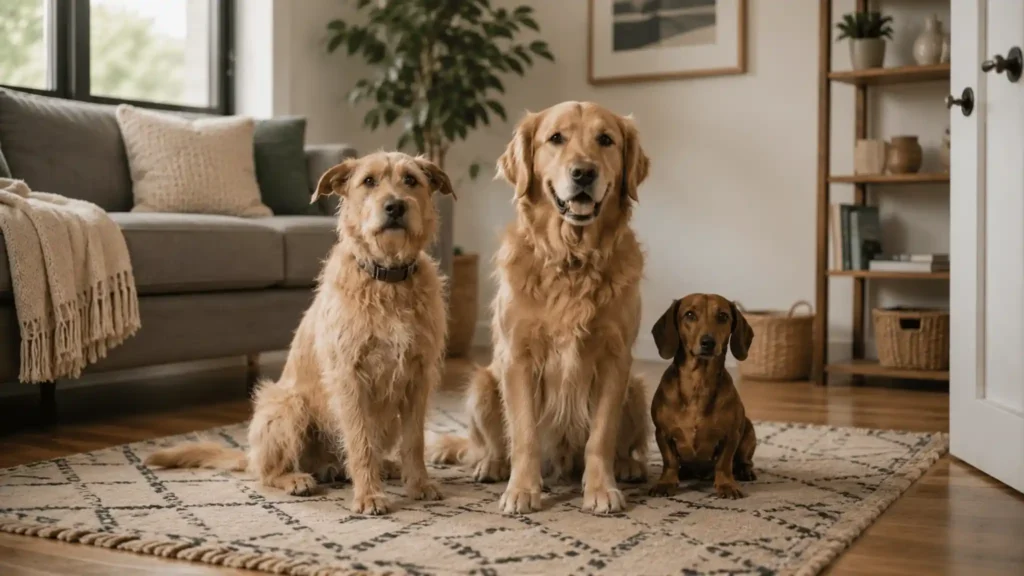
Anxious dog breeds aren’t defined by personality alone, specific breeds are genetically predisposed to develop anxiety more than others. While any dog can experience stress and fear, certain breeds are hardwired through centuries of selective breeding to form intense bonds with humans, which makes being left alone genuinely distressing for them. Genetics, original purpose, and attachment style all combine to create what experts now recognize as breed-predisposed anxiety.
Table of Contents
Dog anxiety by breed varies more than most owners expect, since genetics shape how a dog reacts to stress in the first place.
Understanding your dog’s breed profile can help you recognize early warning signs, choose the most effective interventions, and set realistic expectations for training. Whether you have a velcro Golden Retriever or a high-drive Border Collie, the path to a calmer dog starts with knowing what you’re working with. For a deeper look at the condition itself, start with our complete guide to dog separation anxiety before diving into the breed specifics below.
Why Breed Matters for Anxiety
It’s tempting to think of anxiety as a personality quirk unique to an individual dog, but breed plays a surprisingly large role. Thousands of years of selective breeding have shaped not just how dogs look, but how their nervous systems respond to stress, and particularly to separation from the humans they depend on.
Herding breeds such as Border Collies and Australian Shepherds were bred to work in constant, close communication with a shepherd. That hyperattachment to a human handler is literally in their DNA. When the handler disappears, anxiety follows naturally.
Companion breeds, Cavalier King Charles Spaniels, French Bulldogs, Cockapoos, were purpose-built to be with people. They weren’t designed for independence. Solitude conflicts directly with their biological programming.
Working breeds like German Shepherds and Huskies bring high drive and intelligence to the table. Without adequate mental and physical stimulation, that drive turns inward, producing restlessness, destructive behavior, and escalating anxiety.
These aren’t flaws. They’re features that became liabilities when modern life moved dogs from farms and working roles into apartments and 9-to-5 households. For a broader view of which breeds rank highest for anxiety risk, see our guide to the most anxious dog breeds ranked.
The Most Anxiety-Prone Breeds: A Breed-by-Breed Breakdown
The twelve breeds below consistently appear at the top of anxiety research and veterinary behaviorist caseloads. Each section covers why the breed is vulnerable, what signs to watch for, and what actually helps.
Golden Retriever
Golden Retrievers are often called “velcro dogs”, and for good reason. Originally bred as hunting companions who worked in close partnership with their owners, Goldens form some of the deepest human-dog bonds of any breed. That attachment is one of their most lovable qualities, but it also makes them highly vulnerable to distress when left alone. Common signs include destructive chewing, whining, pawing at doors, and following owners from room to room even before a departure.
The good news is that Goldens respond exceptionally well to graduated departure training, a systematic process of teaching them that short absences always end with a return. Their eagerness to please makes them fast learners when the training is consistent. For a full breakdown of symptoms and a step-by-step calming plan, see our guide on Golden Retriever separation anxiety.
Labrador Retriever
Labs were bred as working gun dogs with enormous energy and a strong drive to collaborate with humans. In today’s family home, that energy and attachment don’t disappear, they just lack an outlet. When left alone without adequate exercise or mental engagement, Labs often resort to barking, destructive chewing, and attempts to escape their environment. They are one of the most common breeds presenting at veterinary behaviorist clinics for separation-related issues.
The most effective interventions combine vigorous daily exercise with structured crate training, which gives Labs a safe, defined space rather than free-roam anxiety. Learn more in our dedicated guide on Labrador separation anxiety.
German Shepherd
German Shepherds are one of the most intelligent dog breeds in the world, and that intelligence cuts both ways. They form intense bonds with their primary handler, they need a clear sense of purpose, and they notice everything, including the ritual signals that precede your departure.
Without sufficient mental stimulation and a structured daily routine, German Shepherds channel their anxiety into pacing, destructive behavior, and sometimes aggression toward household objects. They thrive when given a “job”, even if that job is a complex puzzle feeder or a structured obedience session before you leave. Routine is especially powerful for this breed. For breed-specific strategies, visit our guide on German Shepherd separation anxiety.
French Bulldog
Unlike herding and working breeds, French Bulldogs were developed with one singular purpose: human companionship. They weren’t bred to work, hunt, or herd, they were bred to sit with you. This makes them among the most owner-dependent dogs on the planet. Frenchies often physically need closeness, following owners constantly and becoming visibly distressed at even brief separations.
Signs include howling, indoor accidents, destructive behavior, and intense pre-departure anxiety. Because of their brachycephalic (flat-faced) anatomy, stress can also trigger breathing difficulties, making early intervention especially important. Short, positive absences and calming aids used alongside behavioral training tend to work best for this breed. See the full approach in our French Bulldog separation anxiety.
Goldendoodle
Goldendoodles inherit anxiety risk from both sides of their parentage. Golden Retrievers bring deep human attachment, while Poodles contribute emotional sensitivity and a tendency to pick up on their owner’s stress. The result is a breed that is highly attuned to human emotion, forms close bonds quickly, and struggles significantly when those bonds are interrupted.
Signs include excessive barking, indoor toileting, and destructive behavior that seems out of character for their otherwise gentle temperament. Early independence training, teaching puppies from the very beginning that time alone is safe and normal, is particularly important for Goldendoodles, since their sensitivity means habits form quickly. Find a detailed intervention plan in our Goldendoodle separation anxiety.
Husky
Huskies were bred to work in packs across vast frozen landscapes, solitude is essentially the opposite of everything their biology expects. They are high-energy, highly vocal pack animals who rely on social connection for their psychological wellbeing. When left alone, Huskies often react dramatically: sustained howling that can last hours, escape attempts that range from digging under fences to dismantling crates, and destructive behavior driven by frustrated energy.
Standard departure training helps, but Huskies often benefit most from having a canine companion, and from structured, high-intensity exercise before any solo period. Their vocal nature also makes neighbor relations a real concern, which adds urgency to early intervention. For a full intervention framework, see our Husky separation anxiety.
Cavalier King Charles Spaniel
The Cavalier King Charles Spaniel is a lap dog in the truest sense, bred for centuries to sit with royalty and provide comfort through physical closeness. They are extremely owner-dependent and often struggle to self-regulate emotionally without a human present. Signs of anxiety in Cavaliers include whimpering, trembling, clingy behavior in the minutes before a departure, and distress that can escalate rapidly once the owner leaves.
Their small size and gentle nature can cause owners to underestimate how intensely they feel separation. Independence training started in puppyhood is the single most effective preventive measure for this breed, waiting until anxiety is established makes it significantly harder to address. For the full intervention framework, read our Cavalier King Charles separation anxiety.
Border Collie
Border Collies are widely considered the most intelligent dog breed in the world, and that intelligence is the root of their anxiety problem. A Border Collie without enough mental engagement doesn’t simply get bored, it invents ways to cope, and those coping mechanisms often look like OCD behaviors: repetitive pacing, light-chasing, compulsive licking, and destructive redirection of their herding instinct. Separation anxiety in Border Collies is intensified by their strong herding drive, which makes them feel responsible for keeping the “flock” (their family) together.
Puzzle feeders, agility training, scent work, and structured mental challenges before departures can dramatically reduce anxiety levels for this breed. Physical exercise alone is rarely enough. For the step-by-step training protocol that works best for intelligent herding breeds, see our guide on Border Collie separation anxiety.
Australian Shepherd
Like Border Collies, Australian Shepherds are working herding dogs with exceptional intelligence and a strong need for purpose. Without a job to do, Aussies can develop significant anxiety that manifests as spinning in circles, barking for extended periods, and destructive behavior targeted at exits and barriers. They also tend to shadow their owners within the home, making the sudden absence of that person acutely stressful.
What works best for Aussies are activities that mimic “working”, long structured exercise sessions, off-leash agility, treibball, and task-based enrichment before solo time. Simply tiring them out physically isn’t enough: the mental component is essential. For the graduated training protocol suited to high-drive breeds, visit our guide on Australian Shepherd separation anxiety.
Bernedoodle
Bernedoodles combine Bernese Mountain Dog loyalty, a breed known for forming deep, sometimes single-person bonds, with Poodle emotional sensitivity. The result is a dog that attaches strongly, reads human emotions accurately, and can tip into distress quickly when left alone.
Bernedoodles often exhibit what owners describe as “velcro” behavior: following their person from room to room, lying against them constantly, and becoming visibly anxious at even subtle departure cues like picking up keys or putting on shoes. Solo time training introduced early, ideally from the first weeks in a new home, is the most effective strategy, as Bernedoodles’ sensitivity means patterns of anxious behavior can become entrenched quickly. For a full plan, read our Bernedoodle separation anxiety.
Cockapoo
Cockapoos bring together two anxiety-prone lineages: Cocker Spaniels, who are highly sensitive to their owner’s emotional state, and Poodles, who combine intelligence with emotional reactivity. This combination creates a dog that is perceptive, deeply bonded, and prone to over-attachment if boundaries aren’t established early.
Signs include attention-seeking behavior, indoor accidents during absences, and a tendency to escalate stress behaviors if the anxiety isn’t addressed. Routine is particularly powerful for Cockapoos, predictable daily schedules reduce uncertainty, which is a key anxiety trigger for this breed. Calming music or white noise during absences can also provide meaningful comfort alongside behavioral training. For a detailed approach, read our Cockapoo separation anxiety.
Cocker Spaniel
Cocker Spaniels are among the most emotionally sensitive dog breeds, with a particular tendency to mirror and absorb their owner’s stress. This emotional attunement makes them wonderful companions, but it also means they can become over-attached easily, especially if early training doesn’t encourage independent behavior.
Anxiety in Cocker Spaniels often shows as shadow behavior (following owners room to room), trembling at departure signals, and distress that begins before the owner has even left. Desensitization to departure cues, practicing picking up keys, putting on shoes, and approaching the door without actually leaving, is particularly effective for this breed. Calm, low-key departures and arrivals are also essential, as emotional goodbyes reinforce the idea that separation is something to dread. Find the full approach in our Cocker Spaniel separation anxiety.
What All Anxious Breeds Have in Common
Despite their differences in size, energy level, and origin, the twelve breeds above share three core risk factors for separation anxiety:
High intelligence. Smarter dogs form more complex emotional associations. They learn departure cues faster, anticipate absence more acutely, and develop coping behaviors that can become compulsive if anxiety goes unaddressed. Intelligence is a strength in training, but it first needs to be channeled appropriately.
Deep human bonding. Every breed on this list was selectively bred to work with, live alongside, or comfort humans. That bond is not a problem to be fixed, it’s the foundation of the dog-human relationship. But without training that builds confidence and independence alongside that bond, closeness becomes dependency.
Under-stimulation. Anxiety doesn’t exist in a vacuum. In the majority of cases, anxious dogs are also under-exercised, under-enriched, and under-engaged. Meeting a dog’s physical and mental needs doesn’t cure separation anxiety, but it dramatically reduces its severity and makes behavioral training far more effective.
Critically, early intervention consistently produces better outcomes than late treatment. Dogs that develop anxious habits over months or years require significantly more time and effort to retrain. If you’re seeing early signs, acting now matters. Our complete guide to dog separation anxiety walks through the full intervention framework regardless of breed.
General Strategies That Work Across All Breeds
While breed-specific adjustments matter, several strategies have strong evidence behind them across all anxiety-prone breeds:
Graduated departure training. This is the gold standard for separation anxiety. Begin with absences of just a few seconds, staying below the dog’s anxiety threshold, and build duration gradually over days and weeks. The goal is for the dog to learn that departures are safe and temporary, not through reassurance, but through repeated, calm experience.
Mental enrichment tailored to the breed. A Border Collie needs puzzle feeders and scent work. A Husky needs a structured run. A Cavalier needs calm, predictable sensory stimulation. Matching enrichment to the breed’s original drives delivers the most benefit, and tires dogs out in the right way before a solo period.
Consistent daily routines. Predictability reduces anxiety. Dogs that know when walks happen, when feeding occurs, and when their owner typically returns cope significantly better than dogs in unpredictable households. Even small routine anchors, a post-walk Kong, a specific departure word, can meaningfully reduce stress.
Never punish anxiety behaviors. Chewing, accidents, and barking during separation are symptoms of distress, not disobedience. Punishment after the fact is ineffective (dogs don’t connect punishment to past behavior) and actively counterproductive, it adds another stressor to an already anxious dog’s experience.
Know when to escalate. For severe cases, dogs that cannot be left alone for even a minute without extreme distress, a veterinary behaviorist is the appropriate next step. Medication used alongside behavioral training produces significantly better outcomes than training alone for moderate to severe separation anxiety.
Frequently Asked Questions
Which breed has the worst separation anxiety?
There is no single “worst” breed, severity varies significantly between individual dogs even within the same breed. That said, breeds that consistently appear most often in veterinary behaviorist caseloads for separation anxiety include Cavalier King Charles Spaniels, Border Collies, Australian Shepherds, German Shepherds, and Labrador Retrievers. Companion breeds tend to experience anxiety more intensely because their entire genetic purpose centers on human proximity, while working breeds tend to express it more destructively due to their higher energy and drive.
Can any breed overcome separation anxiety?
Yes, with appropriate intervention, virtually all dogs can make meaningful progress regardless of breed. Separation anxiety is not a permanent condition. Dogs that have shown severe anxiety for years have been successfully retrained with professional guidance, behavioral protocols, and in some cases veterinary support. “Overcoming” anxiety doesn’t necessarily mean a dog becomes comfortable with unlimited solo time, but it does mean reaching a functional level where the dog is safe, calm, and not suffering during normal daily absences. Breed predisposition affects the timeline and approach, not the possibility of improvement.
Does mixed breed status affect anxiety levels?
Mixed breed dogs are not automatically less anxious than purebreds, but their anxiety risk depends on the breeds in their mix. A dog with significant Border Collie or German Shepherd heritage may carry the same anxiety predispositions as a purebred. Doodle mixes, Goldendoodles, Bernedoodles, Cockapoos, are particularly worth noting, as they often combine the human attachment of one parent breed with the emotional sensitivity of the Poodle. If you know or suspect your mixed breed dog has anxiety-prone lineage, treat their training accordingly rather than assuming the mix dilutes the risk.
Conclusion
Knowing your breed’s predisposition is the first and most important step toward helping an anxious dog. It shapes how you interpret their behavior, what training approach you choose, and how patient you need to be with the process. A Husky and a Cocker Spaniel both experience separation anxiety, but they need meaningfully different support, and recognizing that difference leads to better outcomes for both.
The encouraging reality is that every breed listed above can improve. Anxiety is not destiny. With consistent training, appropriate enrichment, and early intervention, even the most velcro-prone dog can learn that alone time is safe. Start with the breed-specific guides linked throughout this article, and if you’re looking for a comprehensive framework, our complete guide to dog separation anxiety covers every stage of the process. For a full ranking of the breeds most at risk, see most anxious dog breeds ranked.


[…] For more on how breed affects anxiety levels and what that means for your training approach, see our full guide to dog anxiety by breed. […]