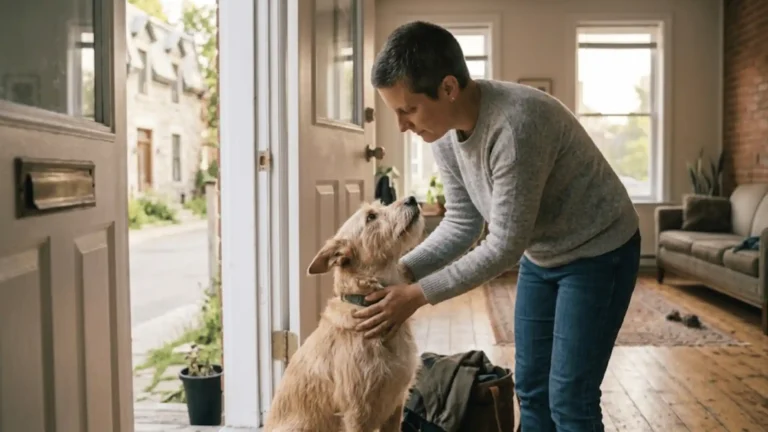
Training shapes how an anxious dog handles the moments that stress them most, but it is rarely the whole picture. A dog that panics when left alone, barks at every sound, or chews when tense is usually reacting to stress, not misbehaving on purpose. The guides on this page focus on understanding the trigger first, then building small, repeatable habits around it. They are educational and do not replace advice from your veterinarian or a qualified trainer.
This page explains where to start, how separation anxiety training differs from other stress behaviors, and when to look beyond training.
Does your dog shake, drool, or dig in their heels the moment they smell the clinic? Here’s why vet visits hit anxious dogs so hard, and the before-during-after approach that actually helps. Emma Reynolds · Guides & How-To This post…
Discover if dog music for separation anxiety really works, which playlists vets recommend, and how to combine it with other calming solutions for anxious dogs
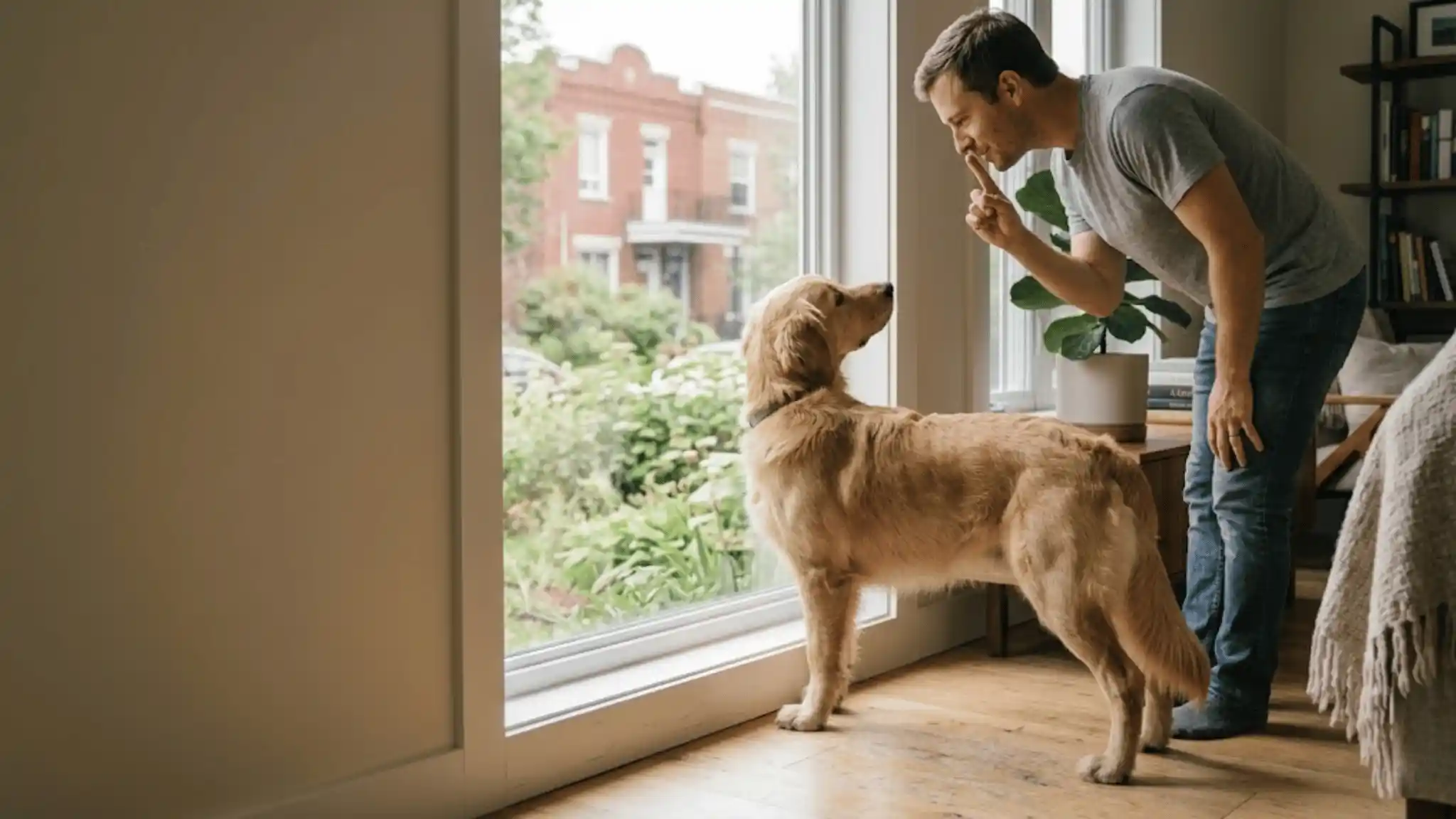
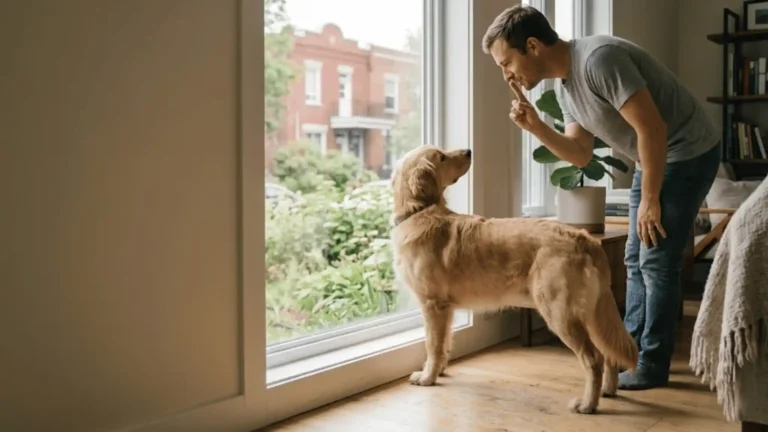
Stop dog barking for good with these 7 proven methods - from the "quiet" command to ultrasonic deterrents and citronella collars. Includes top product picks for fast, humane results.
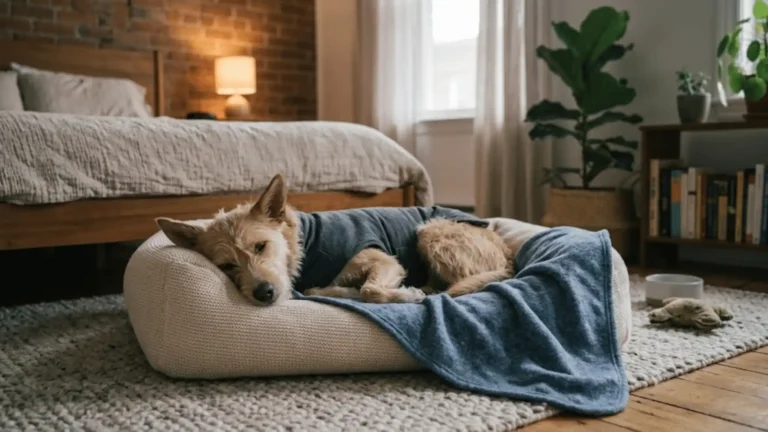
How to calm dog anxiety naturally? Discover 7 gentle methods that soothe stress and fear fast, without any medication, and calm your dog for good, today
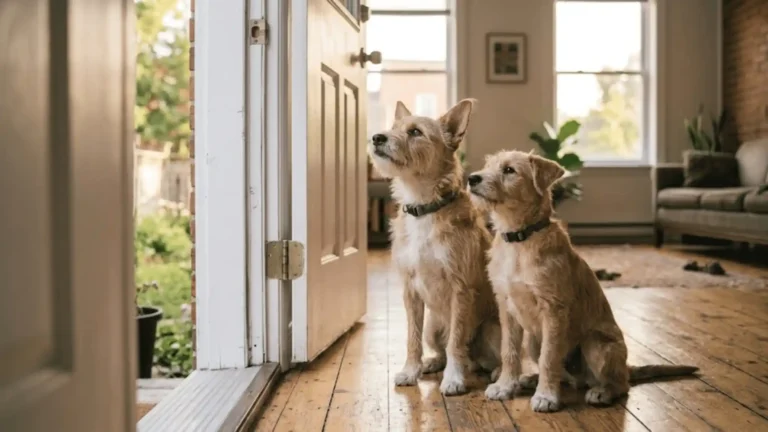
Wondering what age do puppies get separation anxiety? It often starts at just 8 weeks old, causing genuine panic when left alone. Catch signs and stop it now.
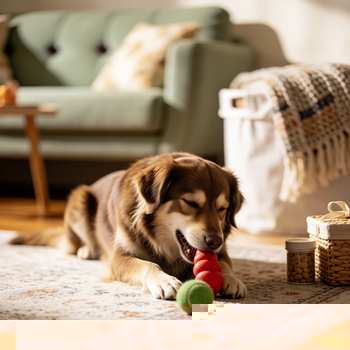
Dog destructive chewing can turn your favorite shoes and furniture into casualties - but it's a fixable problem. Learn the root causes, proven training solutions, and practical prevention tips to protect your home and give your dog an appropriate outlet.
What not to do dog separation anxiety? Discover 8 common mistakes that can make your dog's anxiety worse and learn what to do instead for a calmer time alone.
Before choosing a technique, decide what you are actually training for. A dog that barks at the door needs a different plan than a dog that cannot settle when alone. Punishment can increase stress and does not address the underlying cause of anxiety-related behavior. A better goal is small, specific, and measurable, such as staying calm for two minutes while you step outside.
Separation anxiety usually calls for gradual practice at being alone, in steps your dog can handle without panic. Moving too fast is a common reason progress stalls. Progress can take weeks or months and varies widely from one dog to another.
Barking, chewing, whining, and biting can all have stress behind them, but the cause differs from dog to dog. Boredom, fear, excess energy, and gaps in training can look similar from the outside. Notice when the behavior happens and what came right before it, then pick the guide that matches the pattern:
Some dogs need more than a training plan. Talk to your veterinarian if your dog's panic keeps escalating, if they hurt themselves trying to escape, if they refuse food when alone, or if nothing changes after weeks of consistent practice. A vet can rule out pain or other medical causes and tell you whether a behavior professional would help.