🐾 Does your dog panic when you leave? → Get the Free 7-Day Starter Plan

Why Do Dogs Howl When You Leave? Causes and Clues
Why do dogs howl when you leave? Learn the possible causes, what a camera can and cannot tell you, when to see a vet, and how to choose your next step.


A dog who howls when you leave is trying to tell you something, but the same sound can have very different causes. This guide explains why dogs howl, which causes are most likely during an absence, and what to watch for so you can understand your own dog’s situation.
It does not promise a quick fix. The aim is to help you read what is happening, know when to involve a professional, and find the right next step.
Table of Contents
Why Do Dogs Howl?

Howling is one of the ways dogs communicate. According to the ASPCA and VCA Animal Hospitals, dogs howl to make contact, to announce their presence, and in response to certain sounds such as sirens or music. It has ancestral roots in how wild canids keep in touch across distance.
Because howling is normal communication, the question is not simply whether your dog howls, but when, how often, and in what situation. Howling that happens only when your dog is alone is worth understanding more closely, since it may point to how they feel about being left.
Possible Causes During an Absence
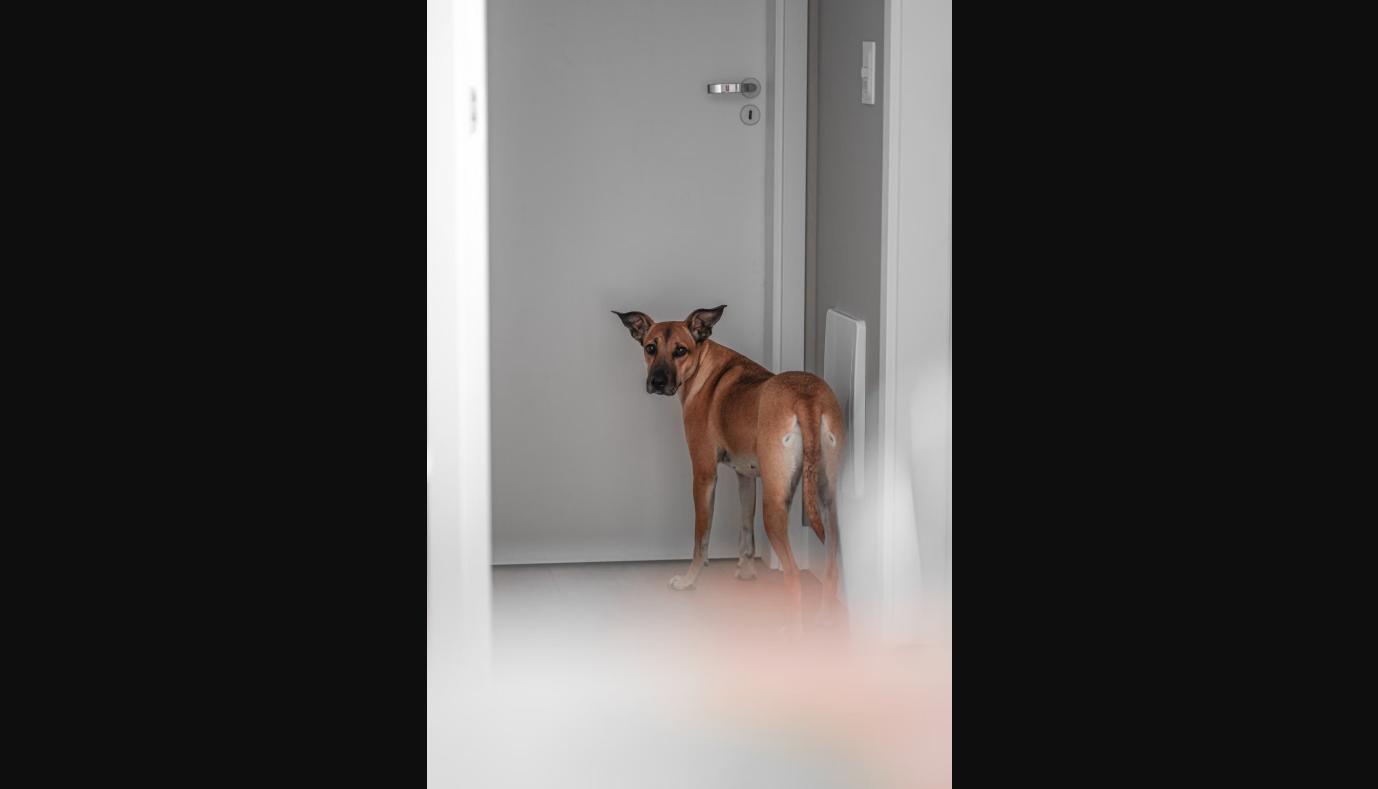
Several things can lead a dog to howl while you are out. More than one can apply to the same dog, so treat these as possibilities to check rather than a checklist to score.
- Separation-related distress. Some dogs find being apart from their owner genuinely upsetting. The ASPCA notes that howling linked to separation usually comes with other signs of distress, such as pacing, destruction, or toileting indoors. Our guide to separation anxiety vs. normal behavior looks at this more closely.
- A response to sounds. Sirens, music, or another dog howling can prompt a dog to join in. The VCA notes that this kind of howling often stops when the sound stops, so it tends to be occasional rather than constant.
- Seeking contact or attention. Howling can be a way to reach you or to ask for company. If howling has sometimes brought someone back or earned a reaction, a dog may learn to use it, which can overlap with any of the other causes.
- Boredom or unmet needs. A dog with little to do, or one who needs a toilet break, exercise, or rest, may vocalize. Meeting those needs before you leave helps you rule them out.
- Discomfort, pain, or age-related changes. New or increased howling can have a medical cause. The Merck Veterinary Manual notes that changes in behavior, including in older dogs, can be linked to pain or to cognitive decline, so these are worth ruling out with your vet.
What a Camera Can Show — and What It Cannot
A camera is one of the most useful tools for understanding howling, because what you find when you come home rarely tells the whole story. The RSPCA suggests filming your dog to see how they behave when left.
Watching footage of an absence you already need to make, without prolonging it to test your dog, can show you:
- Whether you can see or hear a trigger, such as a passing person, a delivery, or a siren.
- What your dog’s body looks like: relaxed, or tense, pacing, panting, and unable to settle.
- Whether they rest at times or stay unsettled.
- Other behaviors alongside the howling, such as scratching at doors, trembling, or ignoring food.
- How your dog behaves as you prepare to leave and when you return.
A camera shows behavior, but it does not give a diagnosis. The time the howling starts, or whether it is constant or on and off, is a clue, not proof: a dog who howls at a siren and a dog who panics at being alone can look similar on a short clip. Use what you see as information to discuss with your vet or a behavior professional, not as a label on its own.
Signs That Call for Veterinary or Behavioral Help
Contact your veterinarian, who can check for medical causes and refer you to a veterinary behaviorist when needed, if:
- The howling is new, has increased, or has changed in character.
- It comes with other changes in health or behavior, such as appetite, sleep, movement, or confusion.
- Your dog is older and the howling is new, since age-related changes can play a part.
- Your dog is injuring themselves, for example trying to get out through doors or windows.
- Your dog shows strong distress as you get ready to leave, such as trembling, drooling, or being unable to eat.
For behavior support, look for a professional who uses reward-based methods and can explain how they adapt to a fearful dog. Avoid devices that work through spray, sound, vibration, or shock: they target the noise rather than the reason for it, and can increase distress in an anxious dog.
First Directions Based on What You See
Once you have an idea of what is driving the howling, you can choose a direction. These are starting points, not guarantees, and it is fine to combine them or to change course as you learn more.
- If the footage shows a reaction to sounds or sights outside, reducing those triggers often helps: limiting the view of the street, choosing a quieter room, or masking sudden noises. Our guide to music for dogs left alone looks at what the research shows.
- If your dog seems under-occupied, meeting their needs before you leave, with suitable exercise and something to do, can make a difference.
- If the footage suggests separation-related distress, start with a veterinary check, keep departures and returns calm, and avoid absences your dog cannot yet cope with. This usually needs a gradual, individual plan: see our guide to dog training for separation anxiety and our complete guide to dog separation anxiety.
For a step-by-step way to observe the problem and make time alone easier, our practical plan for a dog who barks or howls when you leave walks through it in order.
Frequently Asked Questions
Does howling always mean separation anxiety?
No. Dogs also howl in response to sounds such as sirens or music, to make contact, or for attention, and howling can have a medical cause. Howling that happens only when your dog is alone, alongside other signs of distress, is more likely to be separation-related, but that is a reason to look closer, not a diagnosis on its own.
My dog howls when a siren passes. Is that a problem?
Usually not. Howling triggered by a sound tends to stop when the sound stops, so it is often occasional. It only becomes a concern if the triggers happen often enough to disturb you or your neighbors, or if your dog seems distressed rather than simply responsive.
Why does my dog howl only when I leave, not when my partner does?
Dogs often bond most strongly with one person, so being apart from that person can be harder for them. What matters is the whole picture on camera, including whether your dog settles or stays distressed. A behavior professional can help you understand it.
Should I use a bark or howl collar to stop it?
Devices that interrupt howling with spray, sound, vibration, or shock address the noise, not the reason behind it, and can make an anxious dog more distressed. Reward-based approaches and, where needed, veterinary advice are safer and get at the cause.
Is it normal for an older dog to start howling?
New howling in a senior dog is worth a veterinary visit. Age-related changes, including pain and cognitive decline, can affect behavior, and your vet can check for a medical cause before you treat it as a training issue.
Sources